How Does PET Raw Material Moisture Affect Preform and Bottle Quality?
2026/10/19
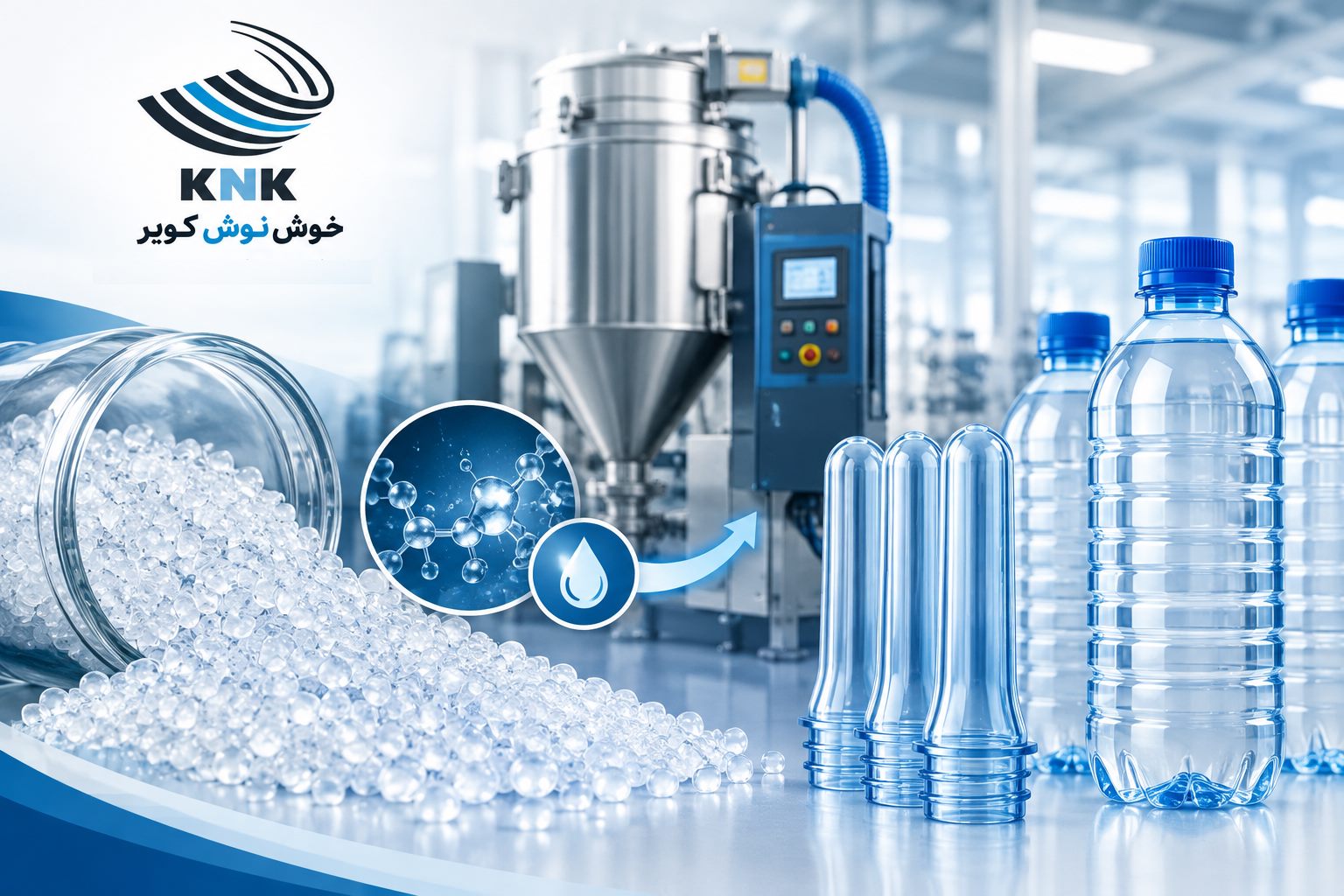
Moisture in PET resin can cause hydrolytic degradation, reduce intrinsic viscosity, and affect preform and bottle quality. Learn about proper drying conditions, moisture-related defects, and effective quality-control practices for PET manufacturing.
Moisture content is an important factor in PET preform manufacturing. If PET resin pellets are not adequately dried before injection molding, residual moisture can cause hydrolytic degradation during melting, reducing the polymer’s intrinsic viscosity (IV) and potentially affecting the mechanical properties of the final product.
Proper moisture control helps maintain material performance, improve process consistency, and reduce the risk of production defects. This guide explains the relationship between PET moisture, preform quality, drying conditions, and quality control.
Why Is Moisture Control Important Before PET Injection Molding?
PET is a moisture-sensitive polymer that can absorb water during storage, handling, and transportation. When moisture-containing PET enters the melt-processing stage, water can react with the polymer chains, causing hydrolytic degradation.
This reaction can reduce molecular weight and intrinsic viscosity, potentially affecting melt behavior and the performance of the resulting preform and bottle.
How Does PET Absorb Moisture?
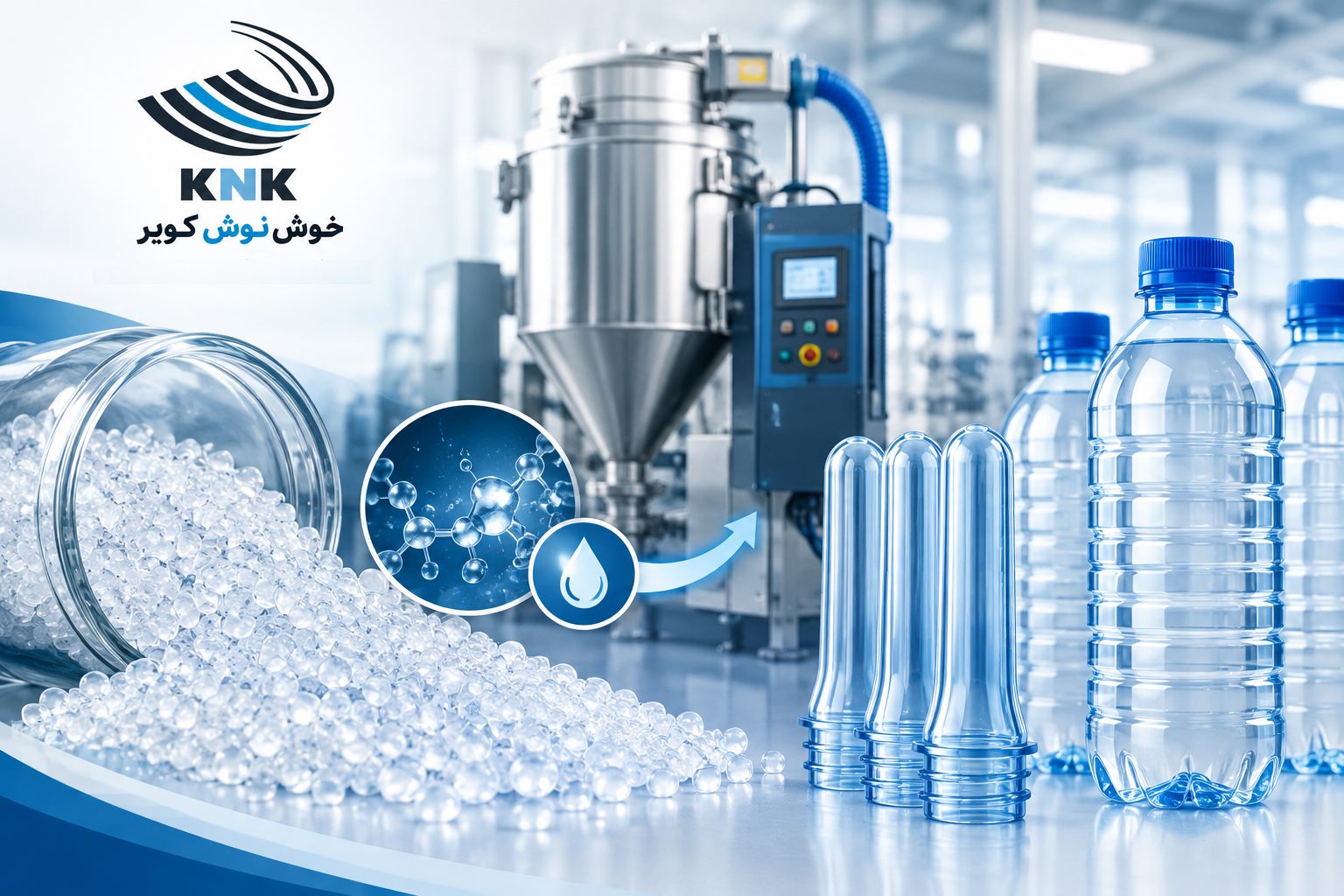
PET pellets can absorb moisture from the surrounding environment. Simply heating the material may not remove enough moisture from within the pellets. Industrial production typically uses a desiccant dryer to provide controlled drying conditions before injection molding.
What Is Hydrolytic Degradation?
Hydrolytic degradation occurs when water reacts with ester bonds in PET polymer chains under processing conditions. This reaction can shorten the chains and reduce molecular weight, potentially compromising material properties.
How Does Intrinsic Viscosity (IV) Affect Preform Quality?
Intrinsic viscosity (IV) is an important indicator of PET’s molecular characteristics. A decrease in IV may indicate polymer degradation and can affect the material’s processing behavior and final performance. Monitoring IV, alongside moisture content and other quality parameters, helps manufacturers evaluate process stability.
What Defects Can Excess Moisture Cause in PET Preforms?
Excessive moisture may contribute to certain visual and functional defects. However, defects should not automatically be attributed to moisture because processing conditions, mold design, contamination, and material quality can also influence the results.
Are Silver Streaks and Bubbles Related to Moisture?
Silver streaks may appear as bright lines on molded parts when moisture or other processing issues are present. Bubbles and voids can also have several possible causes. Checking pellet moisture, dryer performance, and injection molding conditions can help identify the source.
How Can Moisture Affect Strength and Bottle Performance?
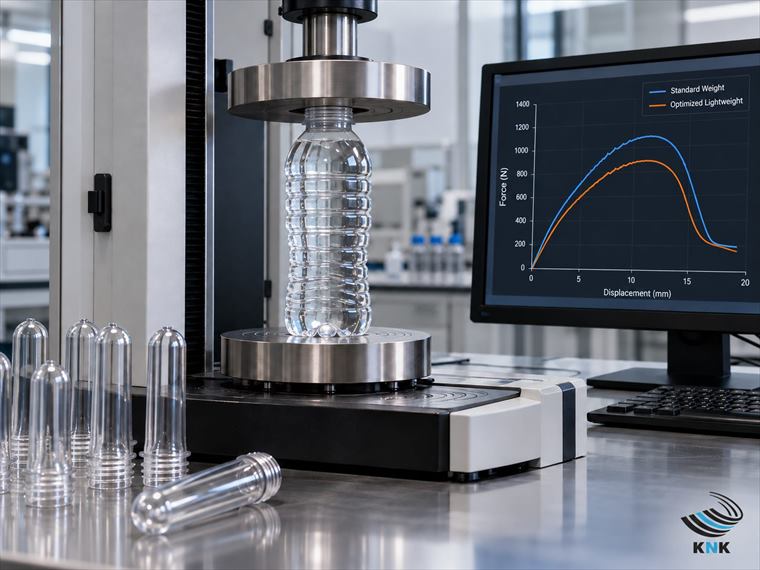
Hydrolytic degradation may reduce PET’s intrinsic viscosity and alter its properties. Depending on the material and processing conditions, these changes may affect the performance of the preform and the final bottle.
However, bottle strength also depends on preform design, wall thickness distribution, heating conditions, stretch ratios, and blow-molding parameters.
Does a Cloudy or Brittle Preform Always Indicate Excess Moisture?
No. Cloudiness and brittleness can result from several factors, including thermal conditions, material contamination, polymer structure, residual stress, and processing parameters. Accurate diagnosis requires appropriate testing rather than visual inspection alone.
How Should PET Pellets Be Dried Before Injection Molding?
Proper PET pellet drying requires more than setting the dryer temperature. Manufacturers should consider drying temperature, residence time, airflow, dew point, and the resin supplier’s technical recommendations.
Why Are Drying Temperature, Residence Time, and Dew Point Important?
- Drying temperature: Must remain within the range recommended for the specific PET grade.
- Residence time: Must be sufficient to reduce moisture to the required level.
- Dew point: Indicates the moisture level of the drying air and helps assess dryer performance.
These parameters work together. Reaching the target temperature alone does not confirm that the pellets are sufficiently dry.
What Is the Acceptable Moisture Level Before Injection Molding?
The required moisture level depends on the PET grade, application, and resin supplier’s specifications. Some technical guidance uses a target below approximately 50 ppm (0.005% by weight) for certain bottle-grade PET applications. However, this should not be treated as a universal requirement for every grade or production line.
The resin manufacturer’s technical data sheet and processing recommendations should determine the actual acceptance limit.
How Can Re-Absorption of Moisture Be Prevented?
After drying, PET pellets can absorb moisture again if exposed to humid air. To reduce this risk, manufacturers should maintain closed material-transfer systems, inspect storage hoppers and connections, minimize unnecessary exposure to ambient air, and monitor dryer performance regularly.
How Can Manufacturers Determine Whether a Preform Defect Is Moisture-Related?
A systematic troubleshooting process helps distinguish moisture-related issues from equipment, mold, and material problems.
Which Tests Help Identify Moisture Problems?
Useful checks may include:
- Measuring pellet moisture using a suitable test method.
- Reviewing dryer temperature, dew point, airflow, and residence time.
- Comparing the intrinsic viscosity of incoming resin and processed material, where appropriate.
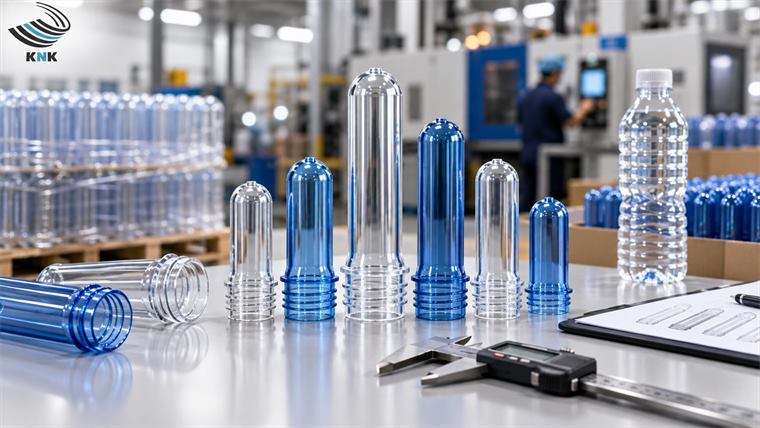
- Inspecting preform weight, dimensions, appearance, and mechanical performance.
- Reviewing injection molding parameters and production records.
No single measurement provides a definitive answer in every situation. Combining test results with process data provides a more reliable diagnosis.
Why Is Visual Inspection Not Enough?
Some changes in polymer properties cannot be detected by appearance alone. Two preforms may look similar but differ in material properties. Conversely, similar visual defects may result from different causes.
Manufacturers should therefore combine visual inspection with appropriate material tests and defined quality specifications.
How Does Moisture Control Affect Production Costs and Waste?
Effective moisture management can help reduce the risk of moisture-related defects, production interruptions, and rejected products. However, the financial benefit depends on the actual production process and should be assessed using factory data.
How Can Poor Material Quality Increase Production Costs?
Moisture-related degradation or defects may contribute to higher scrap rates, additional testing, machine downtime, and process adjustments. Tracking these costs before and after corrective actions helps manufacturers evaluate the effectiveness of their quality-control measures.
Which Indicators Should Be Monitored?
Relevant indicators may include pellet moisture, dryer dew point, drying temperature, residence time, intrinsic viscosity where applicable, preform defect rates, dimensional consistency, and production downtime.
Regularly recording these parameters helps identify variations and supports data-driven process improvement.
What Should Buyers Check When Purchasing PET Preforms?
Industrial buyers should evaluate more than price and appearance when selecting PET preforms. Product specifications, consistency between batches, application requirements, and compatibility with the blow-molding line are all important considerations.
Why Is Consistency Between Batches Important?
Significant variations in preform weight, dimensions, or performance can complicate production and require additional adjustments. Reviewing samples and establishing clear acceptance criteria can help buyers assess whether a supplier can consistently meet their requirements.
What Quality Information Should Buyers Request?
Before placing an order, buyers may request:
- Product specifications, including weight, dimensions, and neck finish.
- Defined visual and dimensional acceptance criteria.
- Available quality-control records and batch consistency information.
- Samples for compatibility testing on the intended production line.
- Technical information relevant to the final bottle application.
These checks support more informed purchasing decisions and help establish a reliable supply relationship.
Frequently Asked Questions About PET Moisture
Does PET Resin Need to Be Dried Before Every Production Run?
PET should be prepared according to the resin grade’s requirements and its actual moisture condition. The need for additional drying depends on storage, environmental exposure, material handling, and supplier recommendations.
How Does Excess Moisture Reduce Intrinsic Viscosity?
At melt-processing temperatures, water can react with ester bonds in PET chains, causing hydrolytic degradation. This may reduce molecular weight and intrinsic viscosity.
Can Excessive Drying Also Cause Problems?
Yes. Drying outside the recommended conditions can increase energy consumption and may contribute to thermal degradation or other processing issues. The goal is to achieve the required moisture level while following the resin supplier’s guidelines.
Can Moisture Content Be Determined by Looking at the Preform?
No. Silver streaks, cloudiness, and other visual defects may have multiple causes. Direct moisture measurement and process evaluation provide a more reliable assessment.
Conclusion: Consistent PET Preform Quality Starts with Proper Material Control
Moisture management is an important part of PET preform quality control. Excess moisture can contribute to hydrolytic degradation and a reduction in intrinsic viscosity, potentially affecting the performance of preforms and bottles.
By monitoring pellet moisture, maintaining appropriate drying conditions, and evaluating material and process data, manufacturers can improve process consistency and investigate defects more effectively.
For businesses looking for PET preforms, evaluating product specifications, quality consistency, neck finish, and application requirements is essential. Contact KNK PET to explore available products and request technical information suited to your production needs.
Photos