How to Choose the Right PET Preform for Mineral Water, Soft Drinks, Doogh, Milk, and Juice
2026/09/28
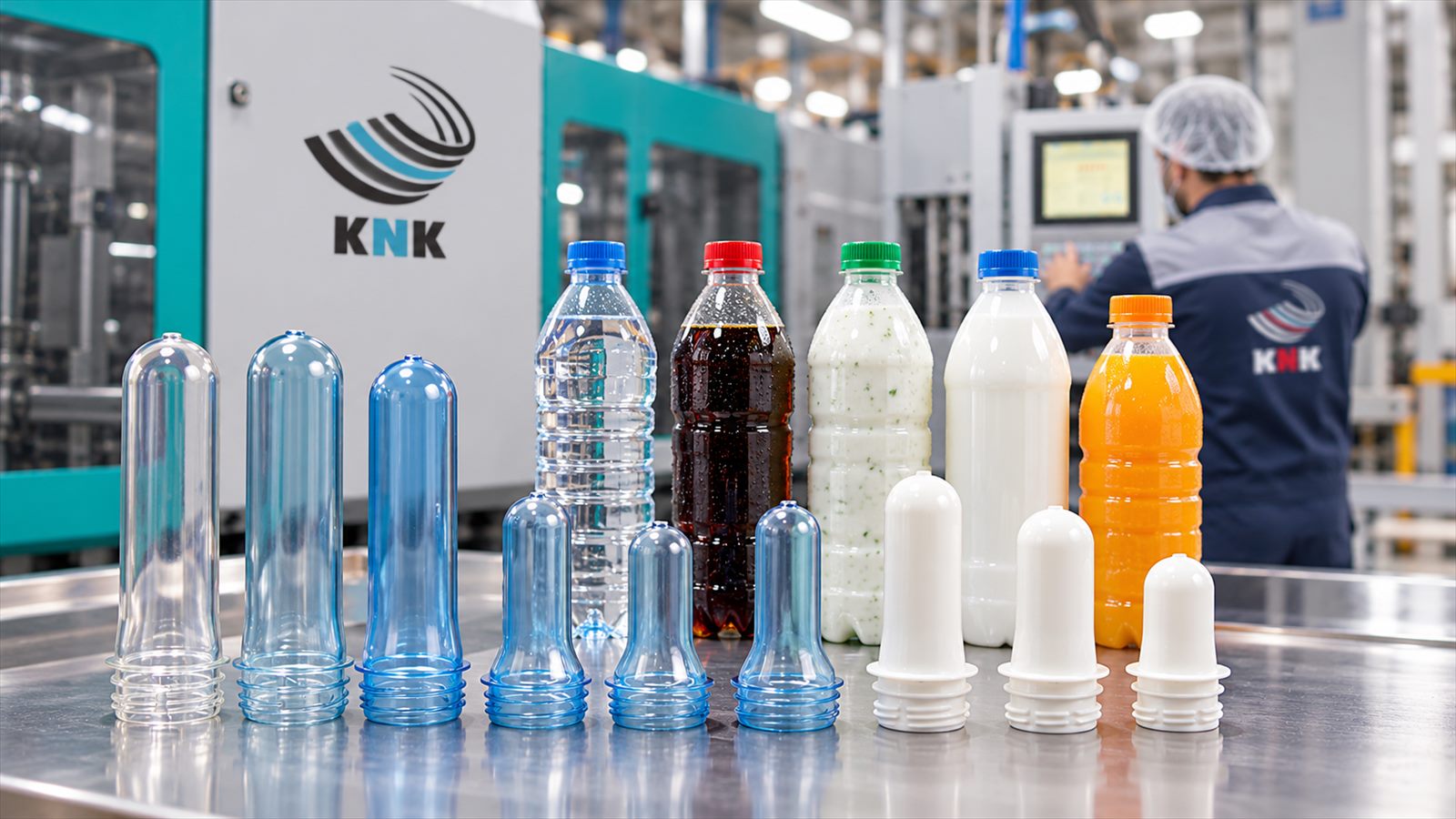
Choosing the right PET preform depends on the beverage type, bottle size, neck finish, weight, filling conditions, and production-line requirements. This guide explains suitable PET preform options for mineral water, soft drinks, doogh, milk, and juice, including 28, 30, and 38 mm applications.
Choosing the right packaging is a critical decision in beverage manufacturing because it can directly affect product quality, production-line performance, packaging costs, and even the consumer experience. PET preforms form the starting point for producing many plastic bottles used for mineral water, soft drinks, doogh, milk, juice, and other beverages. However, not every preform is suitable for every product. Differences in internal pressure, filling conditions, storage requirements, bottle geometry, and hygiene considerations make neck finish, preform weight, material structure, and production compatibility essential factors in the selection process.
A PET preform is an injection-molded component made from polyethylene terephthalate. It is subsequently reheated and transformed into the final bottle through stretch blow molding using heat and compressed air. Choosing a preform is therefore not simply a matter of selecting a specific weight or neck diameter. An unsuitable preform may lead to uneven wall thickness, inadequate sealing, insufficient mechanical performance, or difficulties during the blow-molding process. The right choice should take into account the beverage type, final bottle volume, neck-finish standard, preform weight, closure system, blow-molding equipment, and filling conditions.
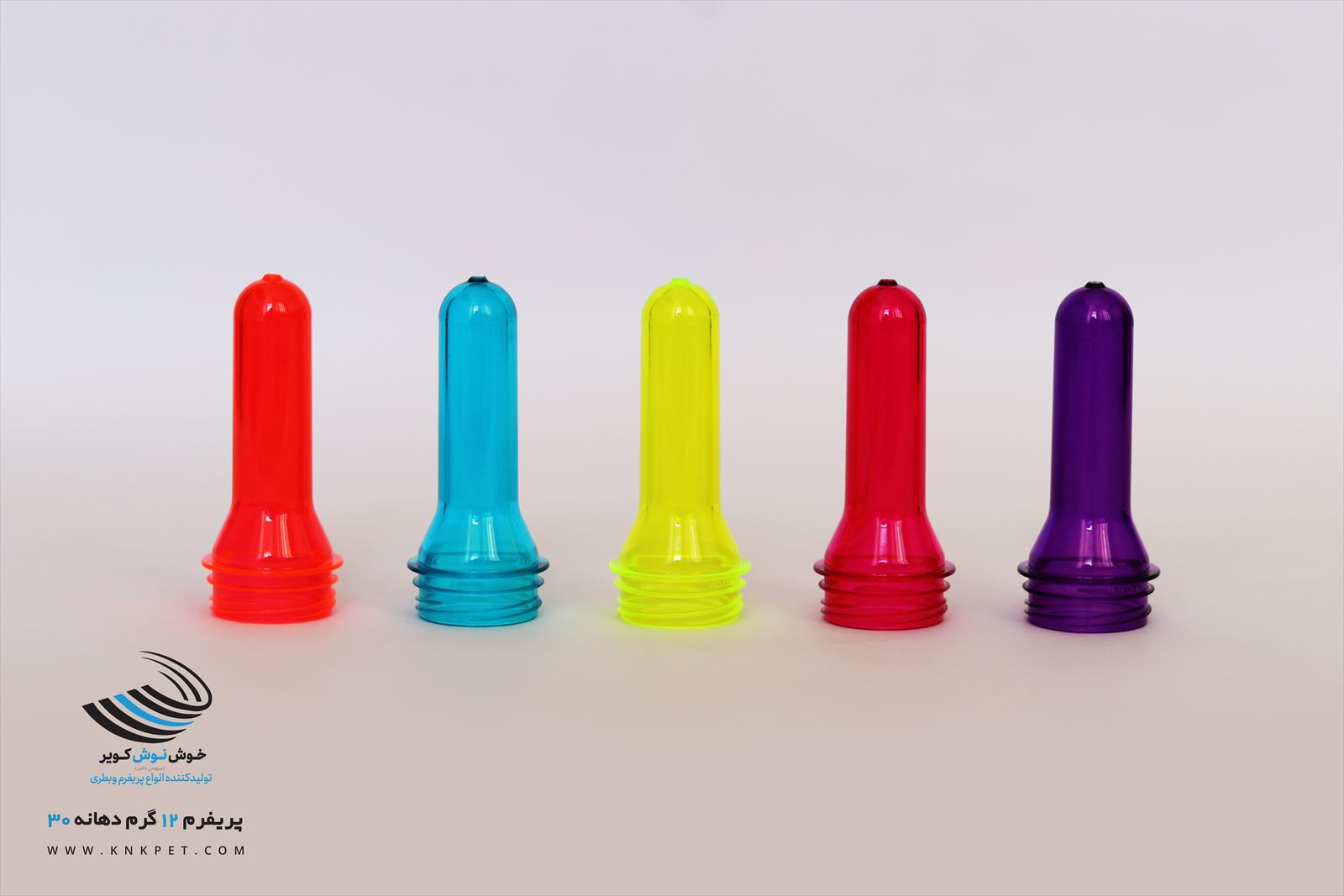
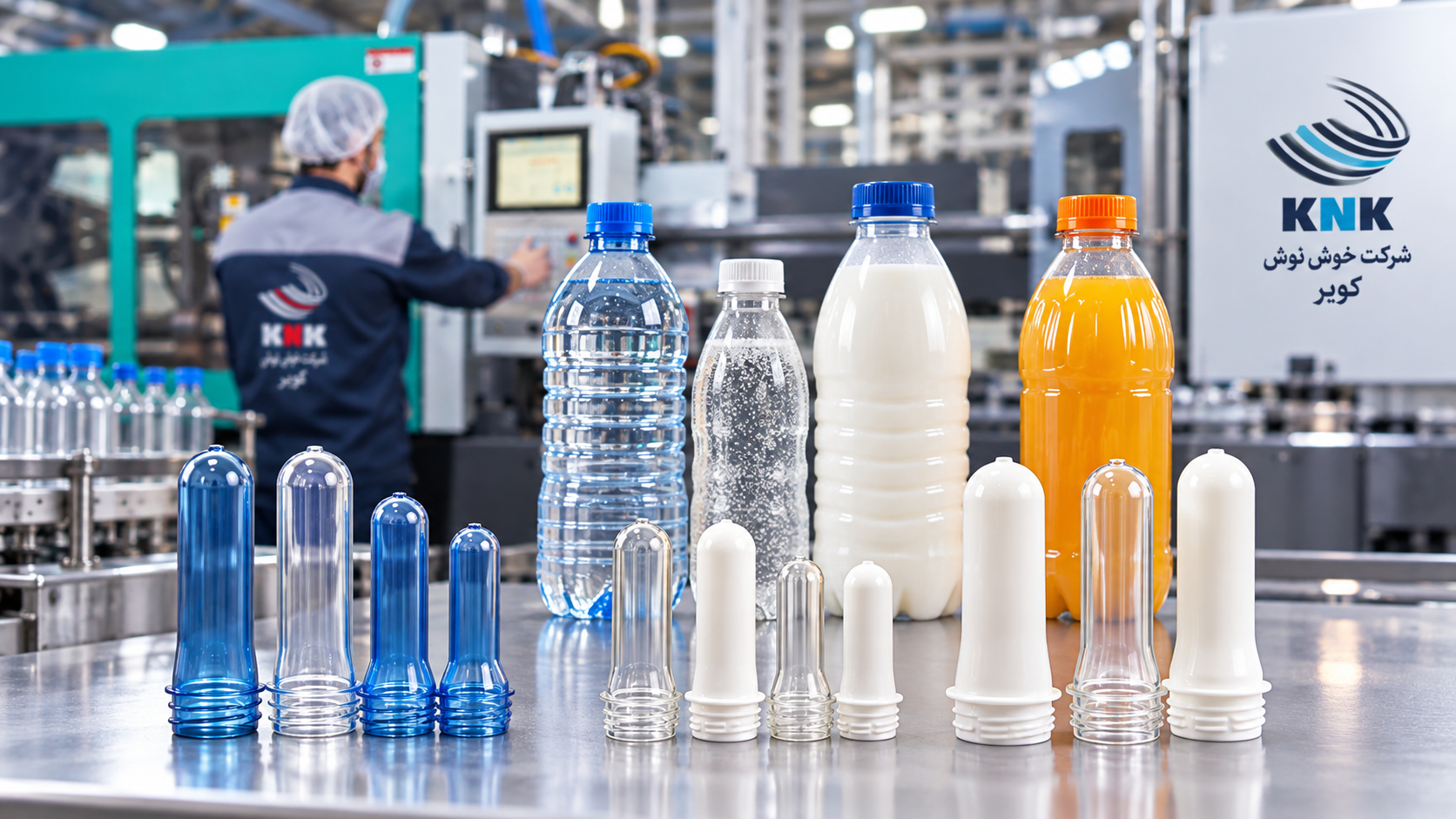
For mineral water packaging, one of the commonly used solutions is the 30 mm short-neck PET preform with a 29/25 neck finish. Khosh Noosh Kavir manufactures this family in different weights ranging from 11 to 25 grams and in clear and blue versions. Mineral water packaging generally requires a balance between low bottle weight, sufficient mechanical strength, stable performance during production, and cost efficiency. Selecting the lightest possible preform is not necessarily the best solution; the final bottle must still retain adequate strength during manufacturing, storage, transportation, and use. Bottle capacity, mold geometry, wall-thickness distribution, dimensional stability, and compatibility with the blow-molding machine should all be evaluated before placing an industrial order.
For soft drinks and other carbonated beverages, internal pressure becomes a much more important design consideration. Dissolved carbon dioxide creates pressure inside the bottle, and that pressure can vary depending on storage temperature, carbonation level, and transportation conditions. A 28 mm PET preform with the PCO 1810 neck finish is among the options used for carbonated beverage bottles. Khosh Noosh Kavir supplies this preform with a Normal Neck structure for applications such as soft drinks and carbonated doogh. Nevertheless, the neck finish alone does not determine bottle performance. The closure system, bottle base design, wall-thickness distribution, sealing quality, gas retention, and overall compatibility with production equipment must also be assessed.
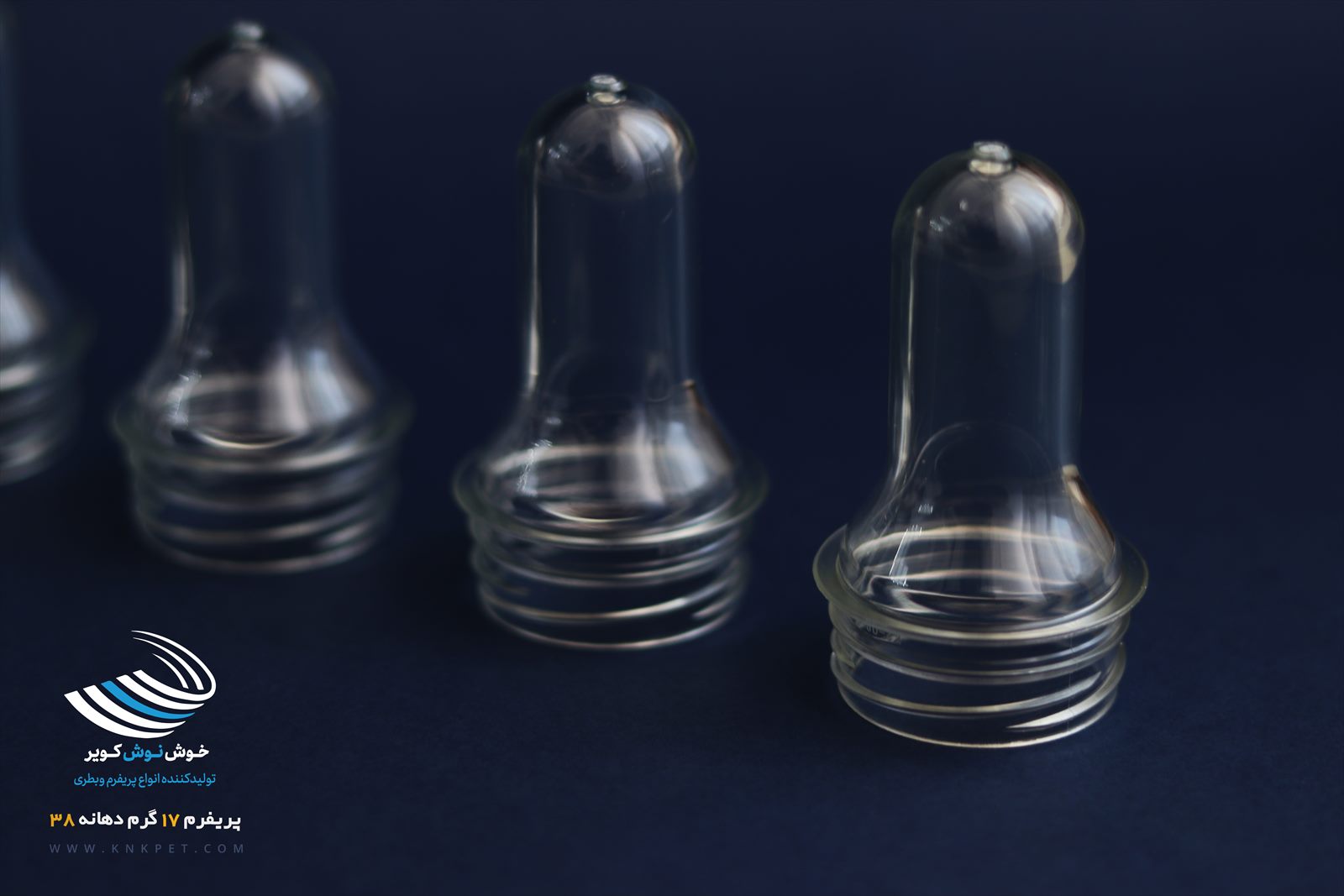
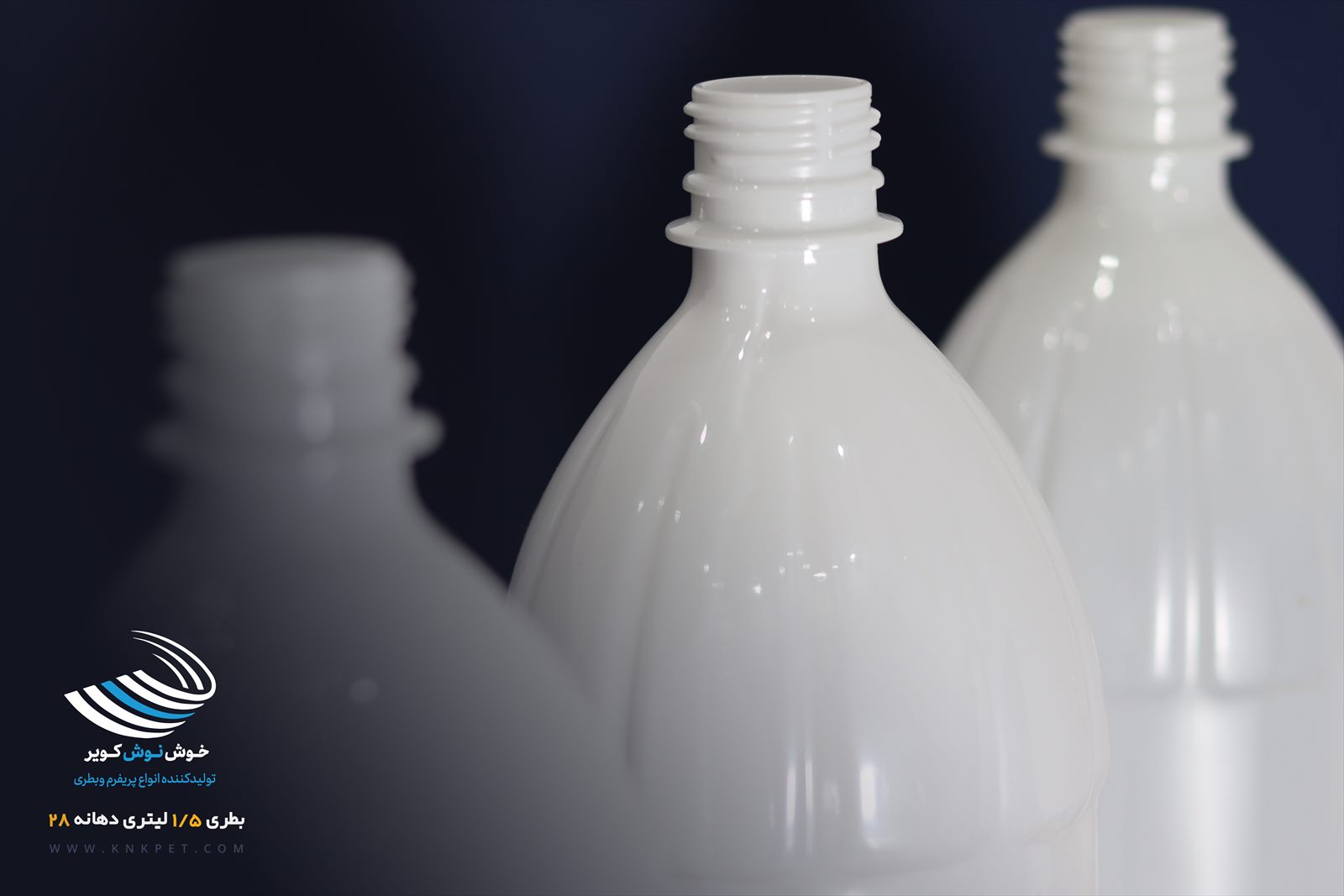
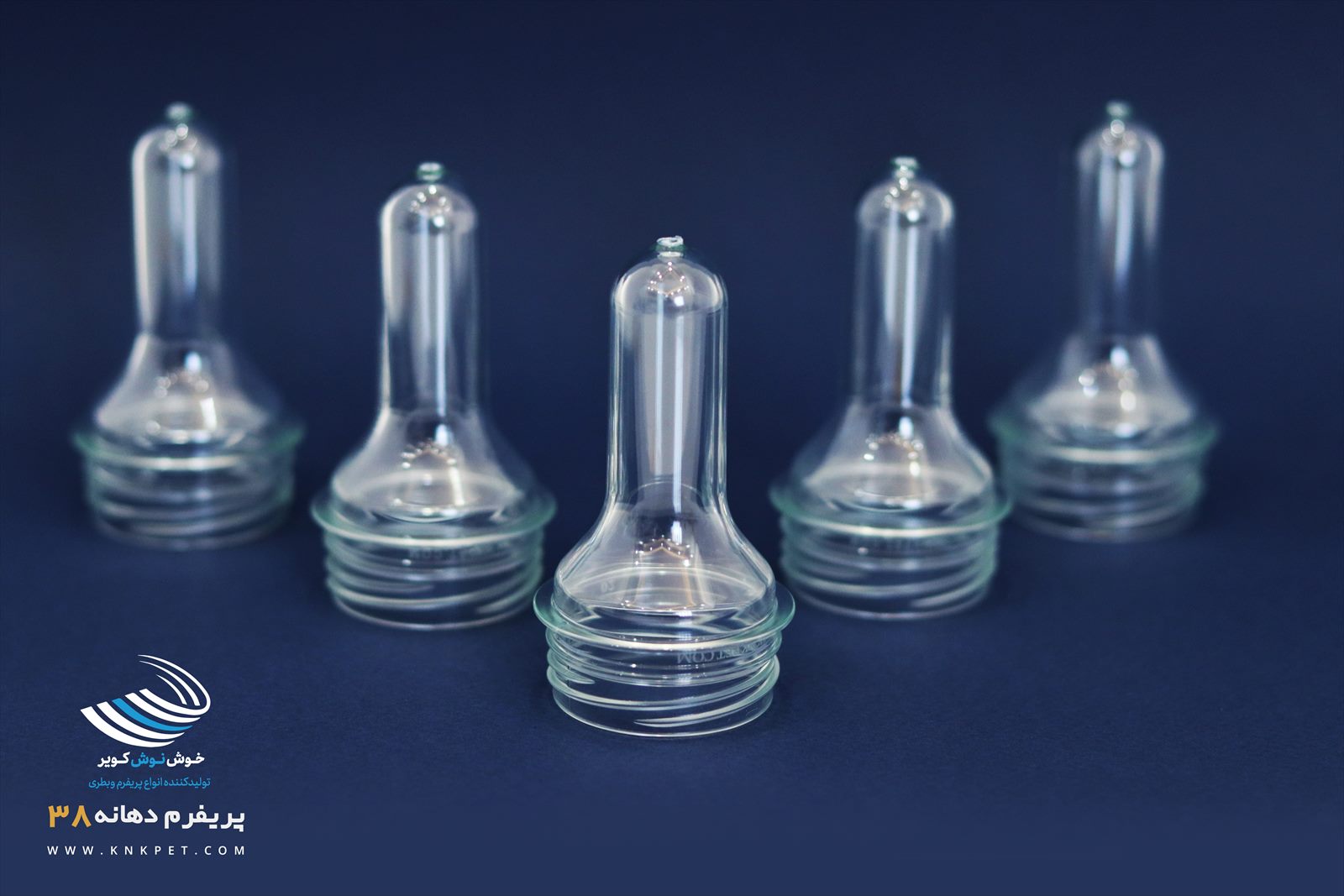
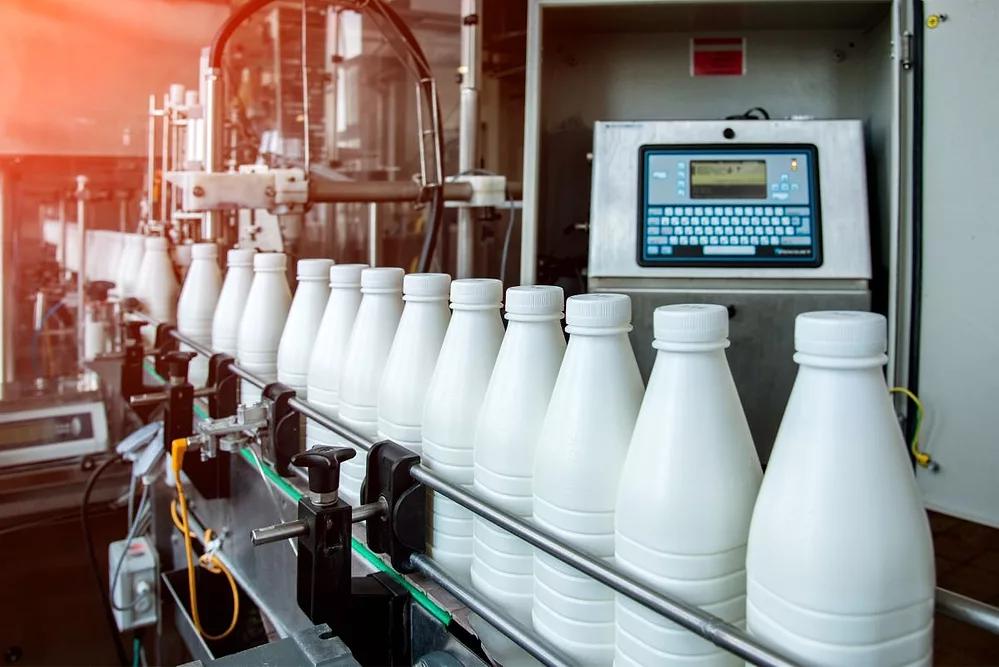
The requirements for doogh, milk, and other dairy applications differ again. Depending on formulation and production conditions, doogh may be carbonated or non-carbonated, which affects the required bottle performance. For milk packaging, light exposure, oxygen, temperature, hygiene, filling conditions, and expected shelf life can all influence the packaging design. Khosh Noosh Kavir offers a 38 mm short-neck preform with the 3 Star neck finish for applications such as milk and juice. This product family is manufactured in weights from 14 to 30 grams and is available in clear and milky-white versions. However, an opaque or milky appearance alone does not guarantee sufficient product protection; packaging performance must be evaluated in relation to the material structure, wall thickness, closure, processing conditions, and required shelf life.
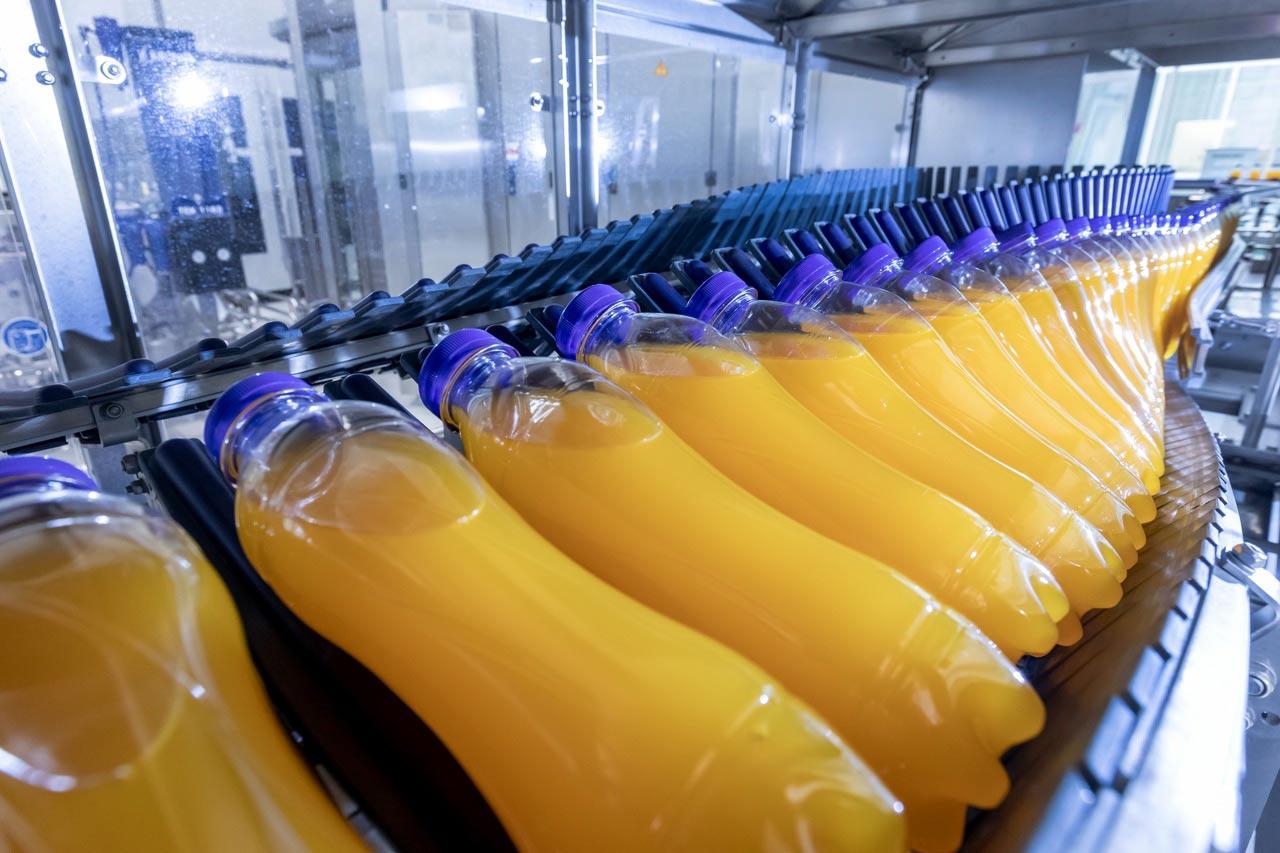
Juice packaging requires particular attention to the filling process. Juices vary in composition, acidity, oxygen sensitivity, and production method, so a single preform specification cannot automatically be considered suitable for every juice application. A 38 mm 3 Star preform is one of the options available in Khosh Noosh Kavir's portfolio for juice packaging, particularly where the bottle and filling line specifications are compatible. Hot-fill applications require additional consideration because conventional preforms and bottle designs may not be suitable for elevated filling temperatures. In such cases, the final bottle must provide the required thermal resistance, dimensional stability, and neck performance, and its compatibility with the hot-filling process should be verified before ordering.
Across all beverage categories, five factors should guide preform selection: the type of beverage and storage conditions, bottle capacity and preform weight, neck-finish and closure compatibility, color and protective requirements, and consistent quality control. Industrial buyers need repeatable quality from one order to the next—not simply a satisfactory sample. Weight consistency, dimensions, appearance, raw-material quality, neck accuracy, and final bottle performance can all influence line efficiency and packaging reliability. The correct preform should therefore be selected as part of an integrated packaging system rather than as an isolated plastic component. Pasted markdown
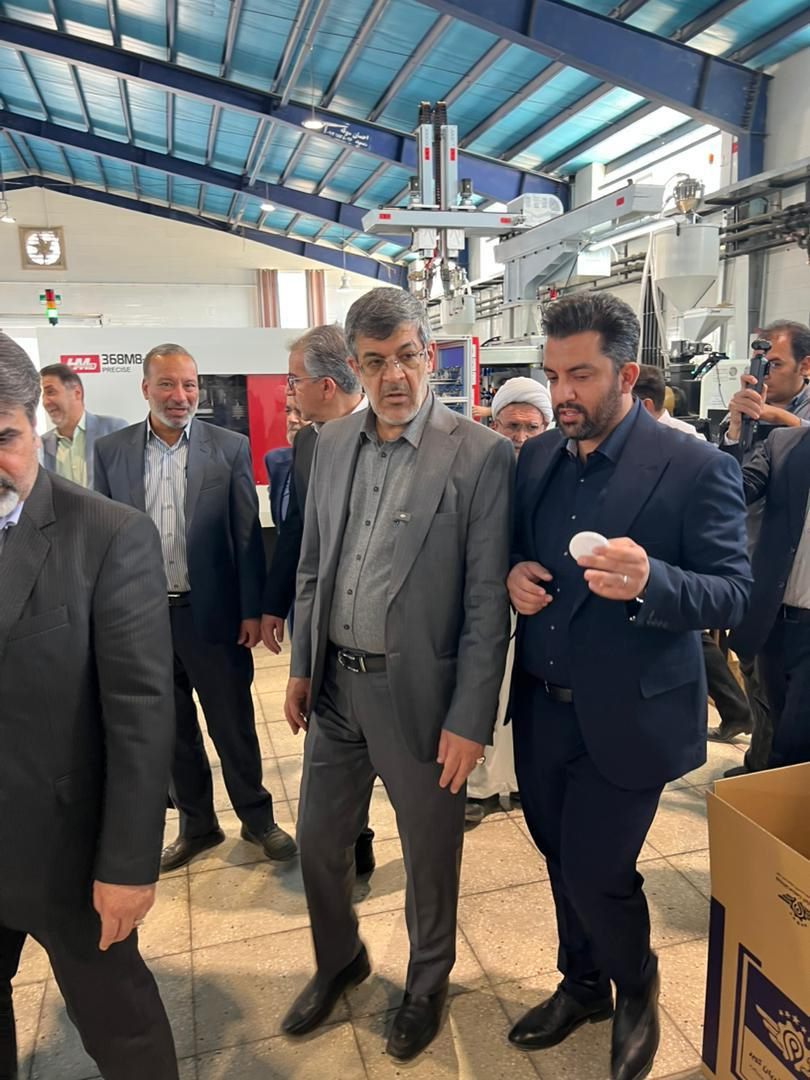
Khosh Noosh Kavir has been operating in the Abarkuh Industrial Estate since 2006 and manufactures PET preforms and bottles for the food, beverage, and dairy industries. Its portfolio includes 28 mm, 30 mm, and 38 mm preforms for applications ranging from mineral water and carbonated beverages to doogh, milk, and juice. The company's production structure also includes quality-control and research-and-development activities. For an appropriate technical recommendation, buyers should provide information such as the packaged product, bottle volume, required neck finish, preform weight, and production-line conditions before finalizing their order.
Photos